

Steel box girder beams are critical for long-span bridges - such as cable-stayed or suspension bridges exceeding 200 meters - owing to their high strength-to-weight ratio and exceptional torsional stiffness. The hollow, closed-cell geometry effectively resists twisting effects from wind and seismic forces while minimizing dead weight.

As a specialized bridge structure supplier, we deliver more than just high-quality steel box girders. To meet the diverse design requirements of bridge structures, we also offer a full range of customizable bridge engineering component systems, including steel pipe piles, steel trusses, pedestrian walkway crossbeams, U-ribs, and tie rods, providing a one-stop fabrication solution for bridge construction projects.
What Is a Box-shaped Steel Beam?
A box-shaped steel beam (or box girder) is a structural member with a closed, hollow square or rectangular cross-section. It is fabricated by welding four steel plates together or by rolling steel into a tubular form. Compared with standard open-section beams, a box girder offers superior torsional resistance (resistance to twisting), higher structural stiffness, and multi-directional strength advantages.

Key Components:
Top flange: the upper horizontal steel plate that resists compressive stress.
Bottom flange: the lower horizontal steel plate that carries tensile stress.
Web: the vertical or inclined side plate connecting the top and bottom flanges.
Internal diaphragm: internal cross-bracing structure or fixed plate, arranged at regular intervals.
Common Classifications:
Single-box single-cell: A single closed box section with good torsional stiffness, suitable for medium-width bridges.
Single-box twin-cell / multi-cell: One or more vertical webs within the cross-section to effectively distribute loads, suitable for wider bridge decks (e.g., main-line highway bridges).
Multi-box girder: Multiple box sections arranged side by side, commonly used for extra-wide bridges or combined highway-railway bridges.
Worried that your chosen box cross-section might fail local structural compliance or overload the bridge design? [Consult our engineering team now] to receive a complimentary geometric optimization and code-compliance review for your blueprints.
Specification of Box Section Steel Beam
| Girder Type | Single Box Girder / Multi-Box Girder |
| Span | 30 m – 200 m,or customized |
| Road Width | 8 m – 42 m, or customized |
| Material Grades | Q345qC/D/E, Q370qE, Q420qE, ASTM A709 Gr.50 / Gr.50W, EN 10025 S355J2 / S355NL, JIS SM490 |
| Load Capacity | Designed in compliance with AASHTO HL-93 load standard |
| Surface Treatment | Shot Blasting Sa 2.5,Zinc-rich primer, epoxy intermediate coat & polyurethane topcoat |
| Connection System | Bolt & nut fastener assemblies |
Why Choose Steel Box Girder Beam for Long-span Bridge Construction?
Exceptionally high strength-to-weight ratio
The strength-to-weight ratio of steel is approximately five times that of concrete. For long-span bridges, the self-weight of the superstructure often accounts for 70%–80% of the total load-carrying capacity. Adopting a steel box girder can substantially reduce the bridge's own weight, thereby minimizing the scale and cost of the substructure.
Superior torsional stiffness
The box cross-section offers exceptionally high flexural and torsional stiffness, with torsional stiffness typically several times to tens of times greater than that of open sections. This is critical for long-span suspension bridges and cable-stayed bridges, enabling them to effectively resist wind loads and seismic action and ensuring stability under extreme weather conditions.
Outstanding wind-resistant performance
Steel box girders typically feature a streamlined, flat profile. Compared with truss girders, their drag coefficient can be reduced by approximately 40%. This effectively diminishes the lateral impact of crosswinds on the bridge structure, ensuring the safety of deck traffic.
Efficient construction productivity
Steel box girder components are all prefabricated in the shop under standardized conditions, then assembled on site through mechanized erection, field welding, or high-strength bolted connections. Compared with conventional concrete bridges, the construction period can be shortened by 40% to 50%, significantly reducing overhead cast-in-place work and minimizing disruption to navigation or traffic below.

Steel Box Girder vs. Steel Truss Girder vs. Concrete Box Girder
| Feature | Steel Box Girder | Steel Truss Girder | Concrete Box Girder |
|---|---|---|---|
| Typical span | Medium to extra-long (100 m – over 400 m) | Long to extra-long (100 m – over 500 m) | Medium to long (40 m – 300 m) |
| Torsional strength | Very high (very suitable for curved alignments) | Low to medium (prone to torsion under eccentric loading) | High (can well withstand eccentric loading and heavy loads) |
| Structural weight | Medium (hollow, aerodynamic design) | Light (overall less material used) | Heavy (dead weight is high relative to load-carrying capacity) |
| Corrosion / rust | Medium (internal cells require humidity control) | High (requires frequent inspection and corrosion protection) | Low (porous, but internal reinforcement can be protected; may be vulnerable to de-icing salt damage) |
| Fabrication & labor | High (requires precise welding and specialized equipment) | High (complex connections and high on-site labor demand) | Medium to high (requires formwork or precast segment initiation) |
While steel truss girders and concrete box girders remain proven and effective structural solutions for specific bridge types, for most modern long-span bridge projects, steel box girders deliver a more balanced overall performance. Their outstanding capabilities in accommodating large spans, complex bridge configurations, and improving construction efficiency have made them one of the most widely adopted main girder structural forms in modern bridge engineering.
Applications of Box Section Girder for Long-span Bridge Construction
Stiffening girder of suspension bridges: In long-span suspension bridges, steel box girders replace conventional truss girders as the primary member carrying vehicular loads and resisting wind loads.
Main girder of cable-stayed bridges: Steel box girders are widely adopted in cable-stayed bridges with spans of several hundred meters and beyond, directly carrying the loads transferred from the stay cables.
Variable-section and spatial curved bridges: Widely used for interchange hubs, approach spans, and main spans of sea-crossing and river-crossing bridges.
Long-span variable-section continuous girder / rigid-frame bridges: In urban viaducts, overpasses, or deep valleys in complex mountainous terrain, steel box girders are often used for the construction of long-span continuous girder bridges.


Erection Methods for Long-span Steel Box Girder Bridges
Steel box girder erection is a critical phase in long-span bridge construction, directly affecting structural safety, construction efficiency, and project schedule. The specific erection method must be determined based on a comprehensive assessment of factors including span length, bridge type, construction environment, navigation requirements, and site equipment conditions. The following are several erection methods commonly used for modern long-span steel box girder bridges:
| Erection Method | Suitable Applications | Key Advantages |
|---|---|---|
| Incremental Launching Method (ILM) | River crossings, valleys, environmentally sensitive areas | Reduces temporary supports and minimizes environmental impact |
| Balanced Cantilever Erection | Cable-stayed bridges and long-span continuous bridges | Suitable for long spans without full falsework |
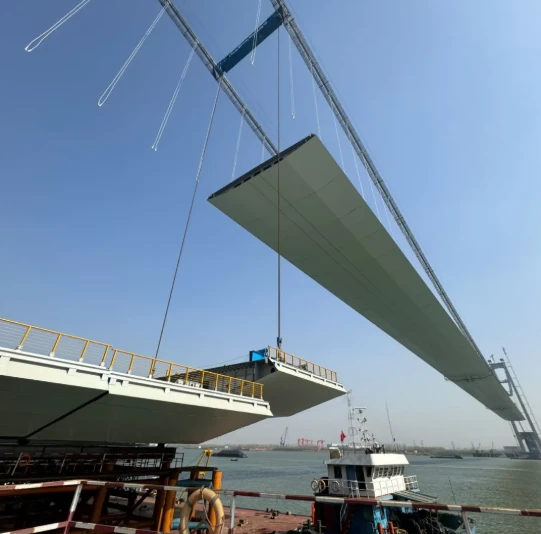
| Floating Crane Installation | Sea-crossing bridges and navigable waterways | Efficient installation over water with minimal interference to navigation |
| Heavy Crane Lifting | Urban viaducts, approach bridges, medium to long spans | Fast installation where lifting capacity and site access are available |
Struggling to ensure your custom steel box girders are precisely configured to adapt to your selected erection method? Don't let complex fabrication tolerances or technical specs delay your on-site construction timeline.
📝 Simply send us your project requirements or structural blueprints: Our technical team will review your data and provide a tailored, cost-effective fabrication and supply solution engineered to align with your specific erection methodology within 48 hours.
👉 [Submit Your Blueprints Now / Contact Our Product Engineers]
How to Select the Right Box-shaped Steel Beam for Long-span Bridge?
When selecting a steel box girder for a long-span bridge, it is necessary to comprehensively consider the span scale, wind resistance / torsional resistance requirements, and the construction method. The specific selection should be based on the following key dimensions:
Determine Cross-Section Form and Configuration
Streamlined flat single-box single-cell / twin-cell: Commonly used for long-span suspension bridges or cable-stayed bridges.
Single-box multi-cell: Commonly used for municipal wide-deck viaducts.
Twin-box or multi-box cross-section: Suitable for extra-wide deck sea-crossing bridges.
Matching Erection Method
Cantilever erection: Requires the box girder segments to have adequate lifting and welding stability.
Incremental launching: Imposes relatively high requirements on the local stability and shear strength of the box girder.
Float-over / floating crane full-span erection: Requires the overall stiffness of the steel box girder and the lifting point design to meet structural demands.
Aerodynamic Performance and Wind-Resistant Design(Key Consideration)
The bluff body effect of steel box girders readily induces airflow separation. Streamlined edge boxes with cantilevered extensions, wind fairings, or guide vanes must be provided to optimize the aerodynamic profile.
Where required, section model wind tunnel tests shall be conducted, and the width-to-depth ratio and web inclination of the box girder shall be adjusted in accordance with wind resistance requirements.
Corrosion Protection and Maintenance Considerations
An appropriate corrosion protection coating system must be selected based on the environmental corrosivity category.
A dehumidification system shall be provided internally to mitigate corrosion in enclosed spaces, along with a properly designed drainage system and inspection and maintenance access.
Navigating complex span scales, aerodynamic demands, and corrosion specs, are you still seeking the optimal fabrication scheme for your chosen steel box girder configuration? Don't let non-standard cross-sections or strict wind-resistant parameters complicate your procurement process.
📝 Simply send us your basic project parameters, cross-section preferences, or preliminary blueprints: Our technical team will review your data against wind and corrosion requirements, providing a tailored, cost-effective fabrication and component supply solution optimized for your specific steel box girder selection within 48 hours.
👉 [Submit Your Selection Parameters / Contact Our Product Engineers]
Why Choose GNEE for Your Steel Box Girder Project?
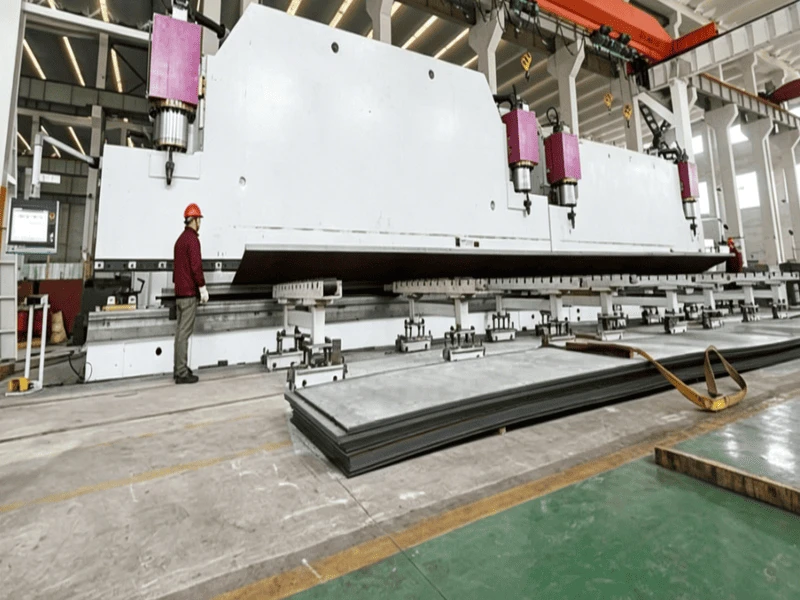
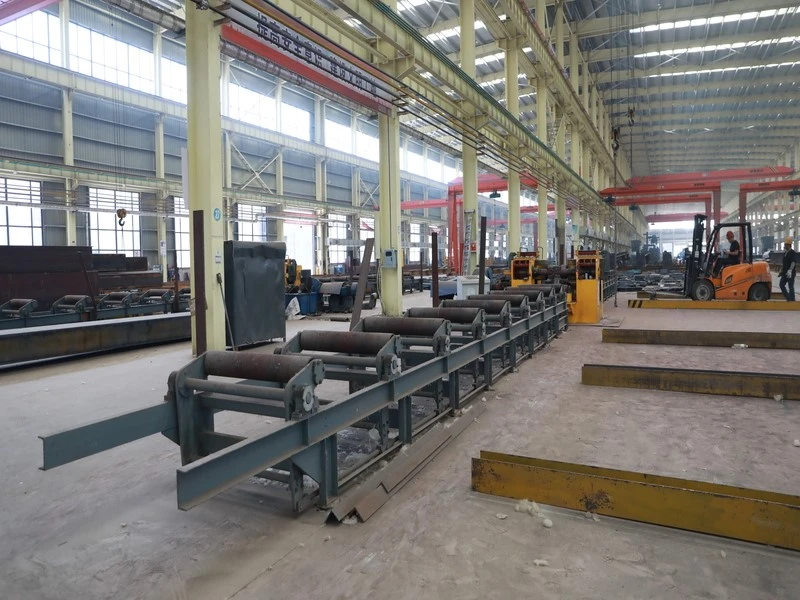
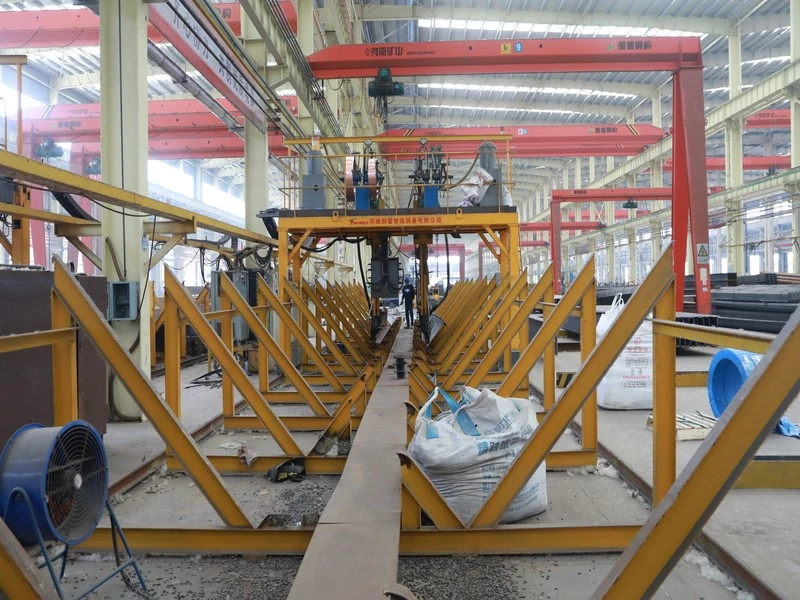
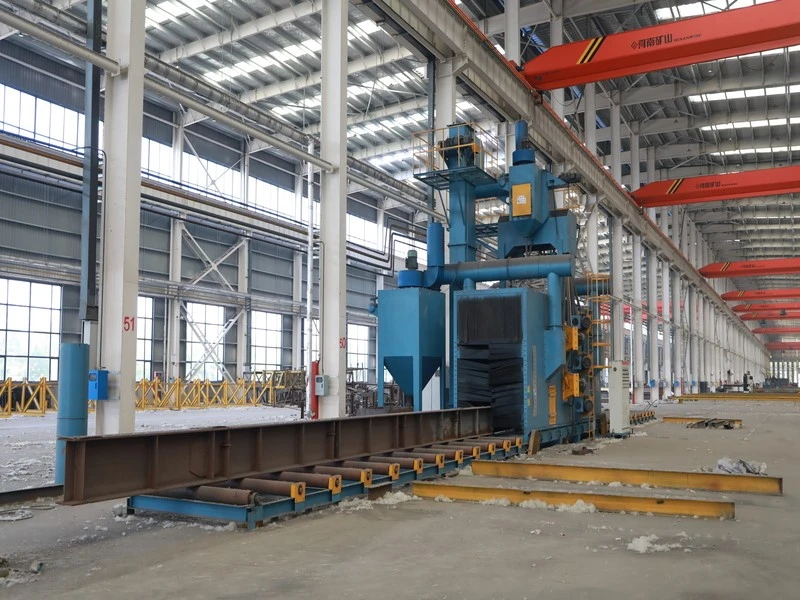
Selecting a specialized steel box girder fabricator is just as important as choosing the right steel box girder solution. GNEE specializes in the fabrication of steel box girders and bridge steel structures. Backed by advanced production equipment, proven manufacturing processes, and a rigorous quality control system, we provide reliable steel structure solutions for long-span bridge projects worldwide.
1.Customized Steel Box Girder Solutions
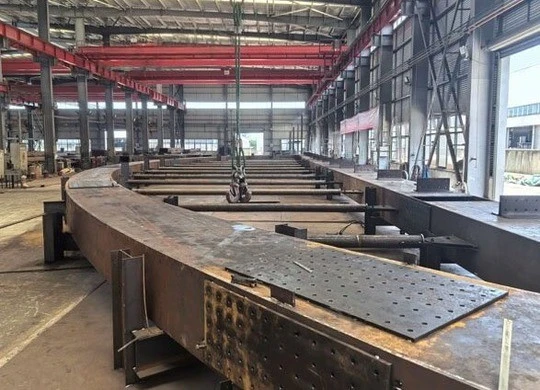
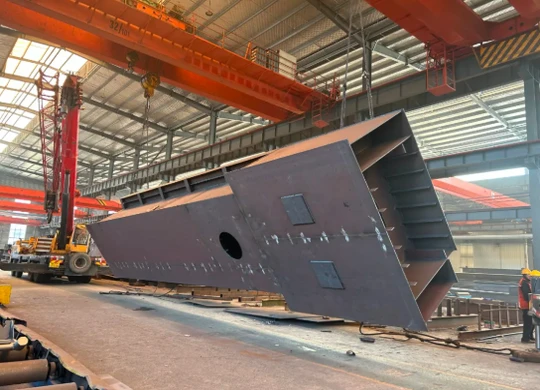
We provide non-standard steel box girder customization solutions, adaptable to various span lengths, curved geometries, variable cross-sections, and loading requirements. Our engineering team works closely with clients to optimize the cross-section, steel grade, plate thickness, and internal diaphragm arrangement, striking a balance between mechanical performance and erection feasibility to ensure smooth and efficient on-site assembly for highway, railway, and special-configuration bridges.

2.Advanced Manufacturing Capability
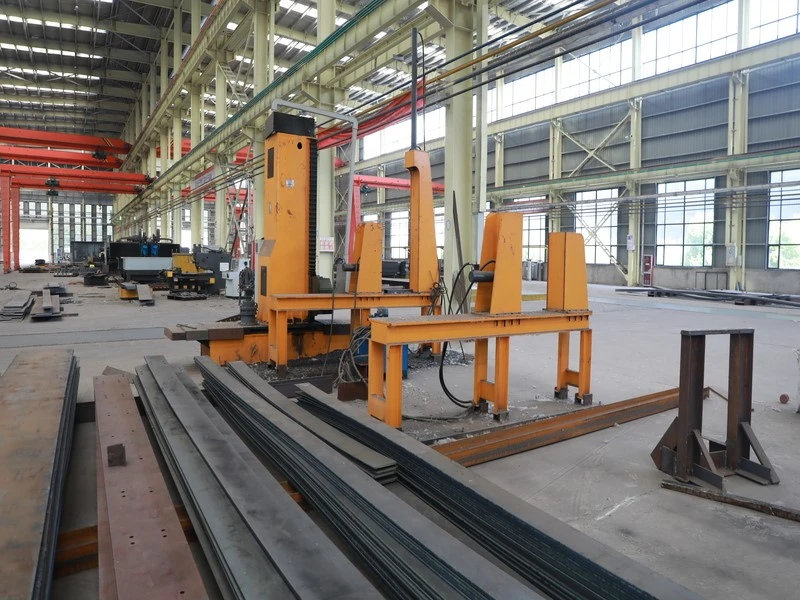
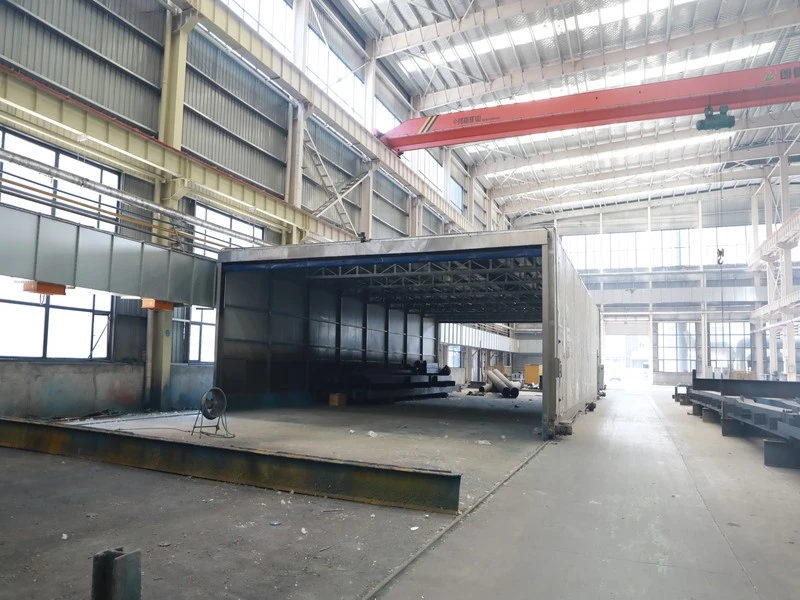
We operate large-scale standardized production bases equipped with a full suite of automated equipment, with the capacity for high-volume, segmented production of super-large bridge steel box girders. We support phased delivery on demand, enabling strict alignment with project schedules and ensuring on-time delivery worldwide.


3.Complete Quality Control & Professional Anti-Corrosion Solution
We implement full-process quality control from raw material to finished product delivery, with all welding procedures compliant with international bridge welding codes. For C3/C4/C5 corrosive environments such as marine and industrial settings, we provide customized corrosion protection solutions including Sa 2.5 blast cleaning, multi-layer high-performance anti-corrosion coating systems, and hot-dip galvanizing, substantially reducing the bridge's long-term operation and maintenance costs and enhancing overall durability.

4.Full-Cycle Engineering Service & Technical Support
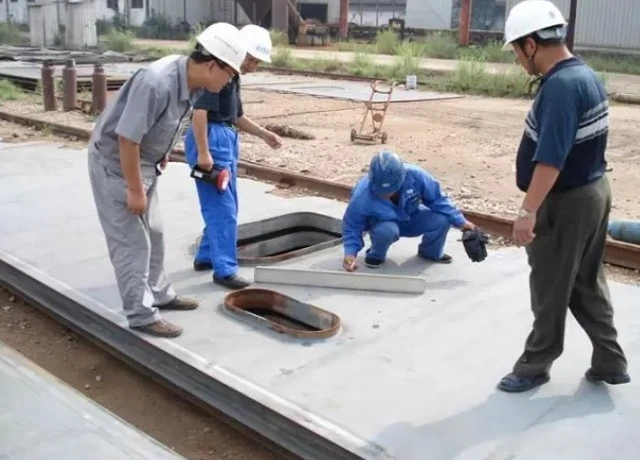
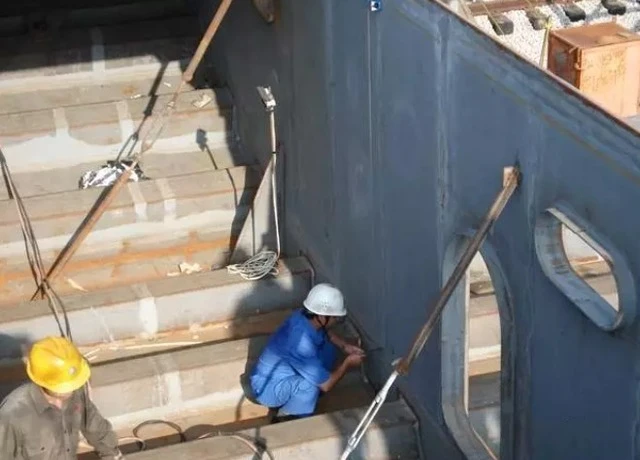
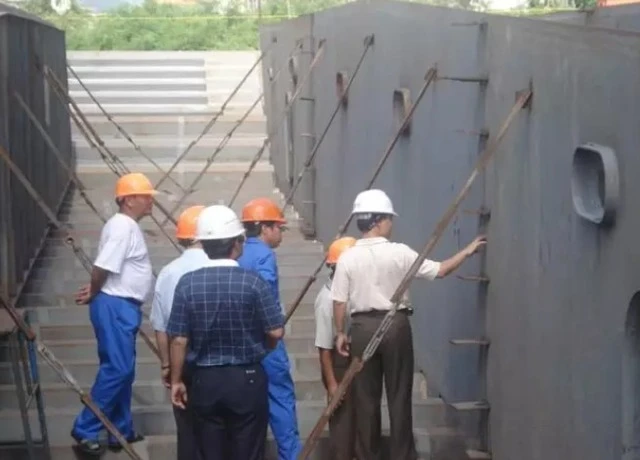
We provide a one-stop full-cycle service encompassing pre-project consultation, structural optimization, production follow-up, shop pre-assembly verification, and accompanying on-site assembly illustrated instructions, with concurrent on-site guidance and after-sales follow-up. Complete segment pre-assembly is carried out prior to shipment to verify splice accuracy, with supporting assembly documentation delivered alongside the shipment.
Packing & Delivery of Steel Box Girders
Protective coating: Steel girders typically undergo blast cleaning and are coated with a protective layer (e.g., zinc-rich epoxy) prior to shipment. Additionally, protective wrapping materials and edge caps are applied to safeguard the coating and joint areas from transit damage and moisture ingress.
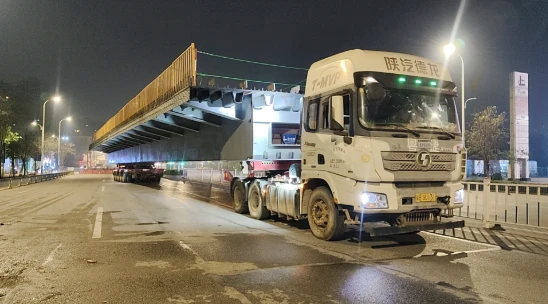
Structural support: Internal diaphragms and heavy steel frames are installed within and around the main girder sections. This helps distribute weight and prevents the hollow, box-shaped members from bending, twisting, or deforming during lifting and transport.
Modular components: Wide box girders are typically designed with bolted splice joints along the bottom flange edges, allowing the box to be split longitudinally or transversely, thereby facilitating loading, unloading, and transport by road and rail.
Contact now to get Steel box girder beams
FAQ:
What is the maximum length of a box girder?
A box girder is defined as a structural element, typically rectangular or trapezoidal in shape, that possesses high torsional resistance and is used for spans of 20–150 m.
Is a box girder bridge a beam bridge?
The box is typically rectangular or trapezoidal in cross-section. Box girder bridges are commonly used for highway flyovers and for modern elevated structures of light rail transport. Although the box girder bridge is normally a form of beam bridge, box girders may also be used on cable-stayed and other bridges.
How do steel box girders compare to concrete box girders?
Compared to concrete alternatives, steel box girders offer faster on-site construction, are significantly lighter, and allow for easier structural modifications or repairs. This reduced deadweight is critical in long-span bridges to prevent the structure from collapsing under its own massive weight.
How does a steel box girder perform in terms of wind and seismic resistance?
Exceptionally well. The streamlined steel box girder cross-section significantly reduces wind drag and mitigates wind-induced vortex vibration. In seismically active regions, its superior torsional stiffness enables uniform distribution of lateral forces, while the closed cross-section also provides strong structural redundancy.
What is the purpose of the internal space of a steel box girder?
The enclosed hollow structure of the box girder not only saves material but also provides space for installing utilities such as water pipes, gas pipelines, and electrical cables. It also allows workers to carry out inspection and maintenance from inside the bridge, eliminating the need for costly external scaffolding.
What are the main challenges faced during steel box girder construction?
The box girder features a complex geometry with a large number of intersecting members, placing very demanding requirements on shop prefabrication, high-precision welding, and non-destructive testing (NDT). In addition, the fully enclosed internal space necessitates strict compliance with confined space safety protocols during construction and maintenance.